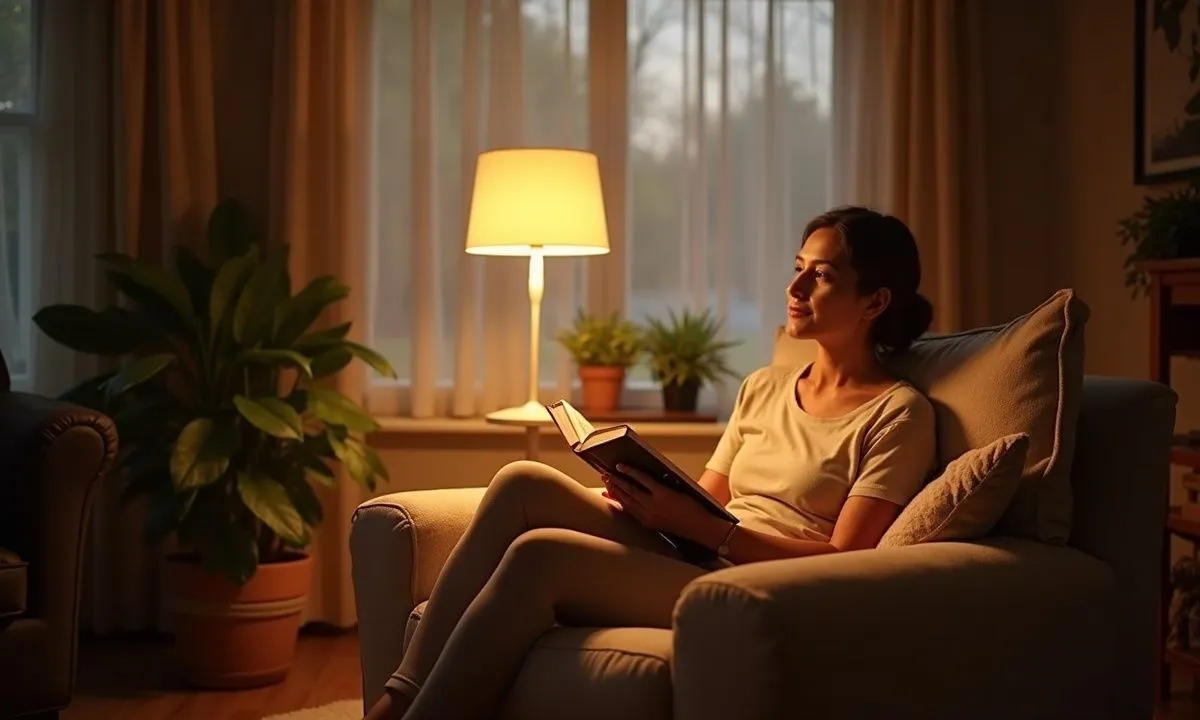
As the days shorten and the weather turns colder, many people experience a shift in mood and energy levels. Seasonal Affective Disorder (SAD) affects a significant portion of the population, leading to feelings of lethargy and sadness during the darker months. For those seeking relief, the best SAD lamps of 2026 offer an effective way to counteract these seasonal blues. With a growing body of research supporting their use, these lamps simulate natural sunlight, helping to regulate sleep patterns and improve overall well-being.
Understanding Seasonal Affective Disorder
Seasonal Affective Disorder is more than just the winter blues. For individuals who experience it, symptoms can significantly impact daily life, leading to challenges in both personal and professional settings. The lack of sunlight during the fall and winter months can disrupt circadian rhythms, resulting in sleep disturbances, changes in appetite, and a general sense of fatigue. While many have turned to various coping mechanisms, light therapy has emerged as a scientifically backed option.
The Role of Light Therapy
Light therapy involves exposure to artificial light that mimics natural sunlight. This method aims to trigger chemical changes in the brain, which can help alleviate symptoms of SAD. The ideal SAD lamp emits a bright light at a specific intensity, usually around 10,000 lux, and filters out harmful UV rays. This setup allows users to engage in their usual activities while benefiting from the light exposure.
Features to Consider in SAD Lamps
When selecting the best SAD lamps of 2026, several features warrant attention. Not all lamps are created equal, and understanding the differences can lead to a more satisfying purchase.
Brightness Levels
Brightness is a crucial factor. The majority of effective SAD lamps provide at least 10,000 lux, the standard recommended for light therapy. However, some individuals may prefer lower intensities, especially during the initial stages of use. Adjustable brightness settings can cater to varying preferences and needs.
Size and Portability
The size of the lamp can influence its practicality. Larger lamps might offer a greater surface area for light exposure, but they can also be cumbersome. Portable options are available for those who wish to move their lamp from room to room or travel with it. Compact designs that still provide adequate light can be especially beneficial.
Blue Light vs. White Light
Another decision involves the type of light emitted. Blue light lamps are popular for their effectiveness in suppressing melatonin production. However, some users may find blue light too harsh. Full-spectrum white light lamps provide a broader range of wavelengths, creating a softer, more natural feel while still delivering the necessary intensity.
Top Picks for Best SAD Lamps of 2026
With a variety of options available, here are some of the most highly regarded SAD lamps of 2026 based on lab tests and user reviews.
Verilux HappyLight Luxe
The Verilux HappyLight Luxe stands out for its sleek design and adjustable brightness settings. This lamp offers 10,000 lux of full-spectrum light and has a built-in timer, making it easy to incorporate into daily routines. Users appreciate its portability, allowing them to use it at home or take it to the office.
Carex Day-Light Classic Plus
Carex's Day-Light Classic Plus offers a large surface area, making it an excellent option for those who want to maximize light exposure. With a brightness setting of up to 10,000 lux and an adjustable angle, this lamp can be tailored to different spaces. Its sturdy design ensures durability, making it a favorite among long-term users.
Circadian Optics Lumos 2.0
The Circadian Optics Lumos 2.0 is a modern lamp that combines aesthetics with functionality. Its stylish design makes it a welcome addition to any room, while its 10,000 lux output effectively combats SAD symptoms. This lamp is especially popular for its easy-to-use touch controls and sleek, minimalist look.
Using SAD Lamps Effectively
For those new to light therapy, understanding how to use SAD lamps effectively is essential. Typically, it’s recommended to use the lamp for about 20 to 30 minutes each morning. Positioning the lamp at eye level, about 16 to 24 inches away, can optimize exposure. Consistency is key; incorporating the lamp into a morning routine can help establish a beneficial habit.
Finding the Right Time
Timing your light therapy session can make a significant difference. Many users find that morning sessions are the most effective, as this aligns with the body's natural rhythms. Experimenting with different times during the day can help individuals discover what works best for their unique schedules and lifestyles.
Complementing with Other Strategies
While SAD lamps can be effective, combining light therapy with other strategies can provide additional support. Engaging in regular physical activity, maintaining a balanced diet, and ensuring adequate sleep can enhance overall mental health. Some individuals find that incorporating mindfulness practices or therapy into their routines also contributes positively to managing symptoms.
The Future of SAD Lamps
The landscape of SAD lamps continues to evolve. As awareness of Seasonal Affective Disorder grows, manufacturers are likely to invest in research and development to create even more effective solutions. Features such as smart technology integration, customizable light settings, and sleek designs are trends to watch for in future models.

As we move through 2026, the best SAD lamps available reflect not only advancements in technology but also a deeper understanding of mental health needs. For those affected by the seasonal changes, these lamps provide a practical approach to improving mood and energy levels.
Choosing the right SAD lamp is a personal journey. The best SAD lamps of 2026 cater to a range of preferences and lifestyles, making it easier than ever for individuals to combat the challenges posed by seasonal changes. A thoughtful selection, combined with a consistent routine, can make a noticeable difference in navigating the darker months.


Comments (0)
No comments yet. Be the first to comment!
Leave a Comment