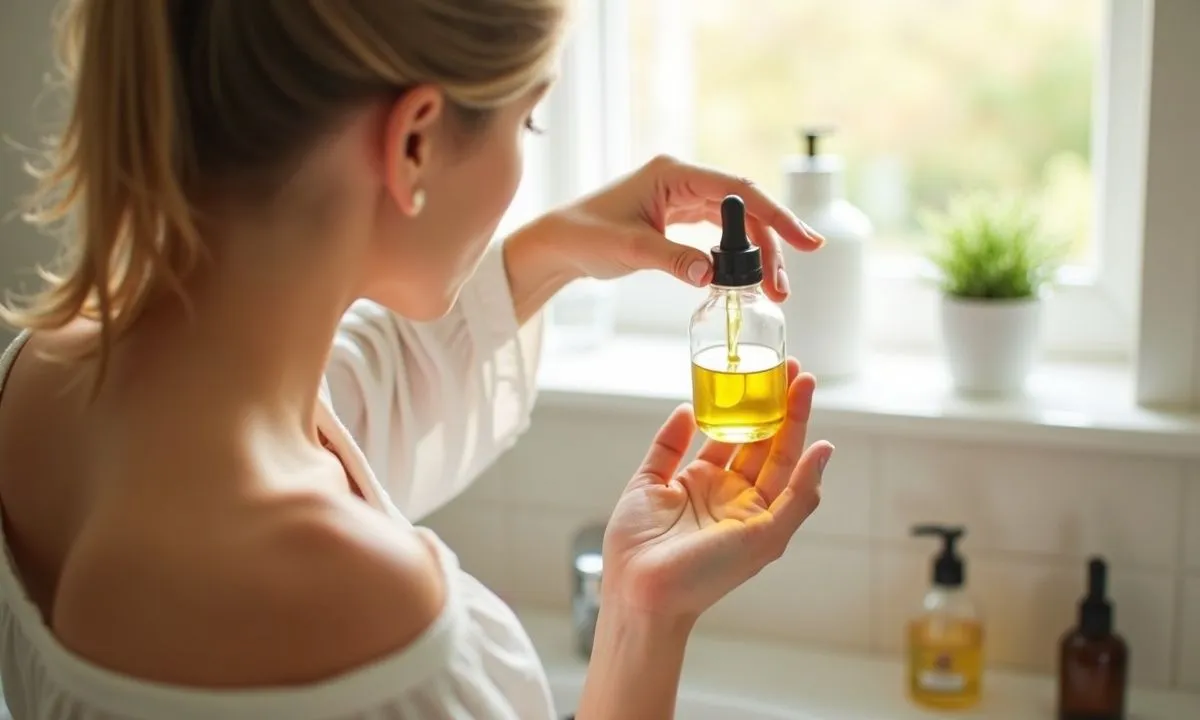
In the bustling routines of modern life, we often overlook the very products we use daily. As we reach for our body care essentials—soaps, lotions, and scrubs—do we pause to consider what’s actually in them? Many consumers have begun to question whether those products, often laden with harsh chemicals, are truly safe or beneficial for long-term use. It’s an interesting shift, one that reflects a growing awareness of personal health and environmental impacts.
The Rise of Natural Alternatives
Over the past few years, there has been a noticeable increase in the popularity of natural body care products. Local farmers' markets and health stores feature shelves brimming with options made from organic ingredients. This trend isn’t just a passing fad; it’s a response to growing concerns about the ingredients found in conventional body care formulas. Items that once seemed innocuous are now under scrutiny, revealing a landscape where consumers are advocating for transparency and simplicity.
Understanding Ingredients
Many shoppers are now taking the time to educate themselves about the ingredients listed on labels. Terms like parabens, sulfates, and synthetic fragrances have raised red flags, prompting consumers to seek alternatives. Parabens, commonly used as preservatives, have been linked to various health concerns, while sulfates can irritate sensitive skin. This knowledge is driving a shift towards products that utilize plant-based ingredients, which are often perceived as safer and more effective.
Benefits of Going Natural
Choosing natural body care products can offer several benefits beyond just avoiding harsh chemicals. First, many natural products are enriched with nutrients that can nourish the skin without the risk of adverse reactions. For instance, shea butter, coconut oil, and aloe vera are frequently found in natural formulations, each bringing its unique set of benefits to skin health.

Moreover, the environmental impact of personal care products is a growing concern. Many consumers are not only interested in what they apply to their skin but also how those products affect the planet. Natural body care brands often prioritize eco-friendly packaging and sustainable sourcing, appealing to those who wish to make a positive impact through their purchasing choices.
Real-World Examples
Take, for instance, a small, local company that produces body care products using ingredients sourced from nearby farms. Their commitment to sustainability is evident in every aspect of their business model, from the organic ingredients to the recyclable packaging. Customers appreciate the story behind the products, feeling a connection to the land and the people who create them.

Another example can be found in the rise of DIY body care. Many individuals are turning to homemade solutions, mixing their own scrubs and lotions. Ingredients like sugar, olive oil, and essential oils are readily available, allowing people to customize their body care routines while knowing exactly what goes into each product.
Challenges in Transitioning
Additionally, some individuals may find that their skin does not react well to certain natural ingredients. Just because a product is labeled as “natural” does not guarantee it will suit everyone. It’s essential for individuals to test products gradually and observe how their skin responds.
Building a Routine
Creating a body care routine that emphasizes natural products doesn’t have to be overwhelming. Start small—perhaps with a single product like a body wash or moisturizer. Observe how your skin reacts over a few weeks before adding more products. This approach allows for a gradual transition, making it easier to pinpoint any issues that may arise.
Another method is to incorporate natural products into your existing routine. For example, replacing your regular body lotion with a natural alternative can be a simple way to start. Such changes can make the transition feel less daunting and more manageable.
The Impact of Community
Social media has played a significant role in promoting the shift towards natural body care. Platforms like Instagram and TikTok are filled with influencers sharing their favorite products and techniques. This community aspect creates a sense of support and encouragement, making it easier for individuals to try new products and share their experiences. The dialogue around body care has become more inclusive, allowing for a broader range of voices and preferences to be heard.
Moreover, local workshops and classes focused on making natural body care products are becoming increasingly popular. These events not only educate attendees but also foster a sense of community among those interested in natural living. Participants can share tips, recipes, and experiences, helping each other navigate the transition with more confidence.
Looking Ahead
The future of body care seems to be leaning towards a more conscious approach. As consumers demand more information and transparency, brands will likely respond by creating products that align with these values. The industry is evolving, and the momentum gained by the natural body care movement suggests it’s here to stay.
As we become more mindful of what we apply to our bodies, the potential for positive change is significant. Making informed choices about body care not only benefits individual health but also contributes to a larger conversation about sustainability and environmental responsibility.
A Thoughtful Shift
Consumer Empowerment
One of the most significant changes in the body care industry is the empowerment of consumers. In the past, many people accepted product labels at face value without questioning the safety and efficacy of the ingredients. However, with the rise of technology and access to information, consumers are now better equipped to make informed decisions. Social media platforms and health blogs provide a wealth of information on the potential dangers of certain chemicals, fostering a more informed public.
For example, platforms like Instagram and Pinterest have created communities where users share their findings and experiences with various body care products. This exchange of knowledge encourages individuals to conduct their own research and challenge brands to be more transparent about their ingredients. The demand for clean beauty is not just a trend; it reflects a shift in consumer expectations, as people actively seek brands that prioritize safety and sustainability in their body care lines.
Ingredient Transparency and Certification
As consumers become more discerning, many body care brands are responding by providing detailed information about their ingredients. Some brands even go a step further by obtaining certifications that validate their claims. Look for products that are certified organic, cruelty-free, or environmentally friendly. These certifications not only ensure a commitment to quality but also build trust with consumers who are increasingly skeptical of marketing claims.
Moreover, ingredient transparency initiatives, where brands disclose the sourcing and production processes, are becoming more common. This trend not only reassures consumers about what they apply to their skin but also encourages brands to maintain high ethical standards throughout their supply chains.
Exploring DIY Options
The DIY trend in body care has gained traction among those looking for personalized solutions. Creating your own body care products can be an empowering experience, offering you complete control over what you use. Simple recipes for body scrubs, lotions, and oils can be made with everyday kitchen ingredients like honey, oats, and essential oils. These homemade alternatives not only cut down on packaging waste but also foster a deeper connection with the products you use.
Online resources, including blogs and video tutorials, provide step-by-step guides for those new to DIY body care. These platforms often highlight the benefits of specific ingredients, allowing you to tailor your creations to your skin's unique needs. For example, if you have dry skin, incorporating oils such as jojoba or almond can enhance hydration, while those with oily skin might benefit from lighter ingredients like grapeseed oil.
Community Support for Natural Body Care
As the movement towards natural body care continues to grow, community support is becoming a vital part of the journey. Many cities now host local events and meet-ups where individuals can come together to share their experiences and swap products. This grassroots approach not only raises awareness but also cultivates friendships among those who share similar values regarding body care and sustainability.
Furthermore, several non-profit organizations focus on educating consumers about the importance of clean beauty and advocating for stricter regulations on harmful chemicals in personal care products. By getting involved with these groups, individuals can contribute to broader efforts that seek to create a healthier environment for everyone.




Comments (0)
No comments yet. Be the first to comment!
Leave a Comment