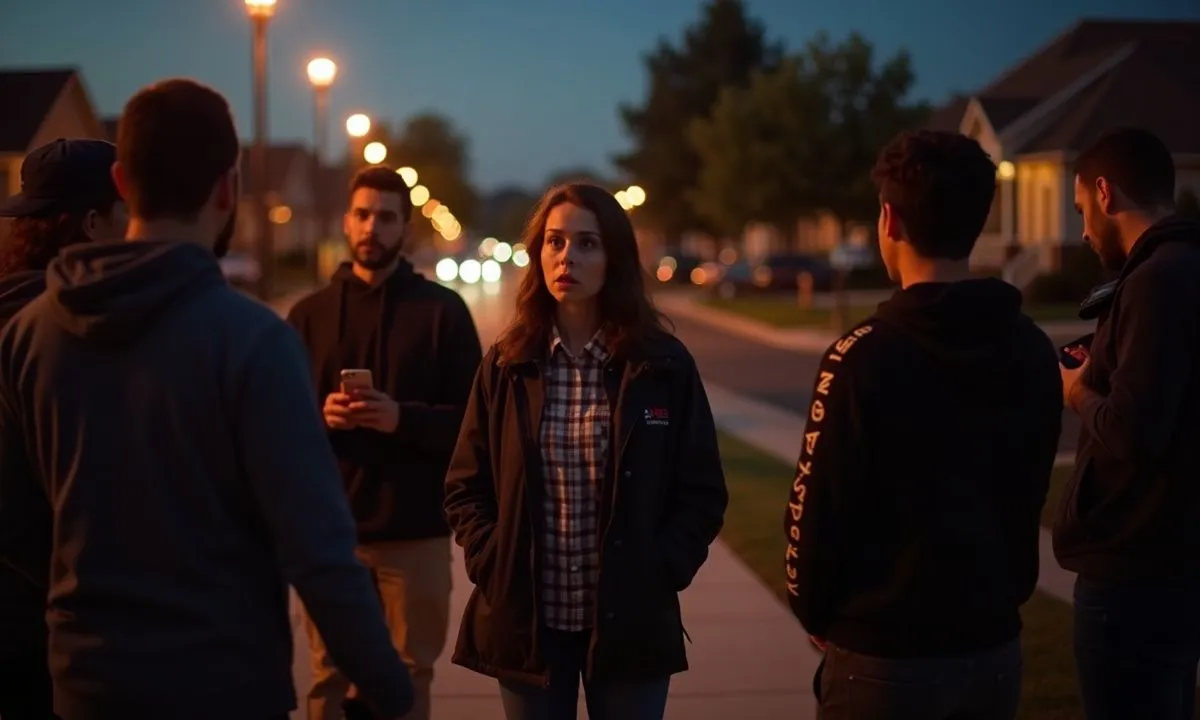
The sun dipped below the horizon, casting a warm glow over the streets of West Valley City, Utah. While most residents were winding down from their daily routines, a controversial arrest unfolded in the shadows, stirring a mix of fear and outrage among the community. The incident, involving a warrantless arrest by Immigration and Customs Enforcement (ICE), has ignited debates about law enforcement practices, community safety, and immigration policies. As news of the arrest spread, residents were left grappling with questions about the implications of such actions on their neighborhoods and the moral dilemmas surrounding immigration enforcement.
The Incident: A Snapshot of Tension
On a typical evening in early September, local law enforcement was called to respond to a disturbance. What began as a routine call escalated when ICE agents arrived on the scene, executing an arrest without a warrant. Eyewitnesses reported a chaotic scene, with agents apprehending a man who allegedly had been living in the country without documentation. The lack of a warrant raised immediate concerns among onlookers, prompting conversations about the legality and ethics of such an action.

This incident is far from an isolated case. Across the United States, ICE has been criticized for conducting operations that many view as aggressive and invasive. The West Valley City arrest exemplifies the broader tensions between local law enforcement and federal immigration authorities, highlighting a complex landscape where community trust hangs in the balance.
Local Reactions: A Divided Community
In the wake of the arrest, the community's response was polarized. For some residents, the presence of ICE agents was a necessary measure to ensure safety and uphold the law. They argue that immigration enforcement is crucial for maintaining order and preventing crime. For others, the arrest represented an overreach of authority, instilling fear within immigrant communities and creating an atmosphere of distrust toward law enforcement.

Local activists quickly mobilized, organizing protests to voice their discontent and support for immigrant rights. Signs reading “No Justice, No Peace” and “We Are All Humans” filled the streets as demonstrators called for accountability and transparency from both local police and federal agents. The emotional weight of the issue was palpable, as families shared personal stories of the impact such arrests have had on their lives.
The Legal Landscape: A Complicated Framework
To fully understand the implications of the West Valley City incident, one must navigate the intricate legal framework governing immigration enforcement. Federal law grants ICE broad authority to enforce immigration statutes, including the power to make arrests. However, the absence of a warrant raises significant legal questions about the extent of this authority. Critics argue that warrantless arrests violate constitutional rights, while supporters maintain that such measures are necessary to protect public safety.
Furthermore, many local jurisdictions have adopted “sanctuary” policies aimed at limiting cooperation with federal immigration enforcement. These policies seek to foster trust between immigrant communities and law enforcement, encouraging individuals to report crimes without fear of deportation. The tension between sanctuary policies and federal enforcement actions creates a patchwork of legal and ethical dilemmas that local governments must navigate.
Impact on Community Policing
Community policing—the strategy of building relationships between law enforcement and community members—is fundamentally challenged by incidents like the one in West Valley City. When residents view police as potential agents of deportation, they may hesitate to engage with law enforcement altogether. This reluctance can hinder crime reporting and cooperation, ultimately undermining public safety efforts.
Law enforcement leaders in West Valley City and beyond are increasingly aware of the importance of community trust. Many have expressed concerns that ICE operations could erode the progress made in fostering positive relationships with the public. As police departments wrestle with the implications of federal immigration enforcement, the need for dialogue and collaboration becomes even more pressing.
Broader Implications: A National Conversation
The incident in West Valley City is a microcosm of a national conversation regarding immigration and law enforcement. As communities across the United States grapple with similar situations, the discourse surrounding immigration policy continues to evolve. Advocates for immigration reform are calling for comprehensive changes to address the root causes of undocumented immigration, while opponents argue for stricter enforcement measures.
As debates rage on Capitol Hill, local communities remain on the frontlines, directly affected by policies enacted at the federal level. The stories of families torn apart by deportation, the fear instilled within immigrant communities, and the challenges faced by law enforcement create a complex tapestry of human experiences that cannot be ignored.
A Call for Compassion
In the midst of heated discussions about legality and policy, it is vital to remember the human element at play. The individual at the center of the West Valley City arrest is not merely a statistic; he is a person with a story, dreams, and loved ones. Recognizing the humanity in every situation can foster empathy and understanding, encouraging constructive dialogue rather than division.
As West Valley City continues to navigate the fallout from this controversial arrest, the community is faced with a choice. Will they allow fear and misunderstanding to dictate their interactions with one another, or will they come together to advocate for a more compassionate approach to immigration and law enforcement?
Looking Ahead: A Path Forward
The future of West Valley City, and communities like it, hinges on the ability of residents to engage in thoughtful conversations about immigration and its implications. Local leaders, activists, and residents can work collaboratively to build solutions that prioritize safety, trust, and respect for all individuals, regardless of their immigration status.
As discussions continue, it is essential to focus on creating a community where everyone feels safe and valued. This means advocating for policies that protect vulnerable populations, while also ensuring that law enforcement can effectively carry out their duties. By fostering an environment of understanding, West Valley City can emerge from this controversial arrest as a place that exemplifies compassion in the face of adversity.




Comments (0)
No comments yet. Be the first to comment!
Leave a Comment