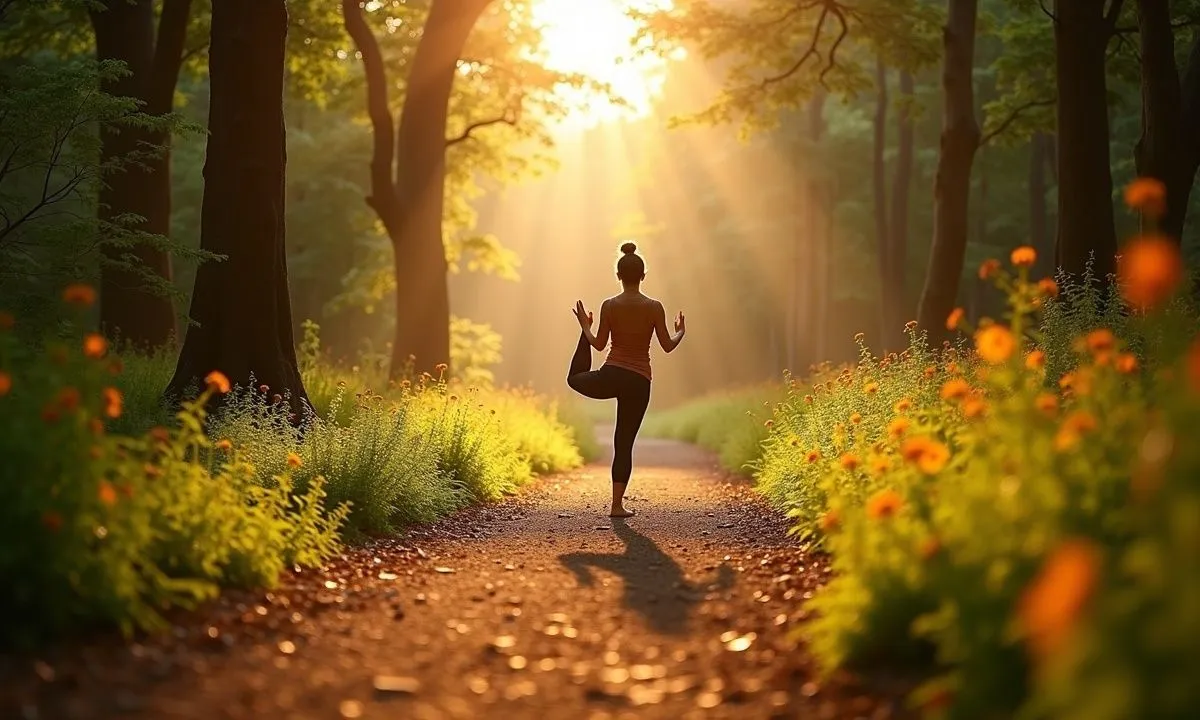
As urban landscapes continue to expand, the allure of nature often gets overshadowed by concrete and steel. Yet, the moment one steps into a forest, a profound shift occurs. The air feels different—fresher, perhaps. The sounds of rustling leaves and distant bird calls create a symphony that calms the mind. This phenomenon is at the heart of forest bathing wellness, a practice that encourages individuals to immerse themselves in nature for its therapeutic benefits. Increasingly, people are turning to micro nature escapes, short retreats into the green spaces surrounding their busy lives, seeking solace in the embrace of trees and tranquility.
The Roots of Forest Bathing
Forest bathing, or "Shinrin-yoku," originated in Japan during the 1980s as a response to the increasing pace of modern life. It involves taking leisurely walks in the woods, engaging the senses to fully experience the environment. The idea is simple yet profound: being surrounded by nature can significantly reduce stress levels and improve overall well-being. This practice has gained traction worldwide, as many people discover its calming effects amidst daily pressures.

In essence, forest bathing is not about hiking or exercising; it’s about slowing down and being present. It invites participants to breathe deeply and notice the details—the texture of bark, the scent of damp earth, and the colors of wildflowers. Such mindfulness can lead to a greater sense of connection with the environment and oneself.
Why Nature Matters
Scientific studies have begun to validate what many have intuitively known: time spent in nature can bring about a range of health benefits. Exposure to green spaces has been linked to lower levels of cortisol, the stress hormone. Furthermore, natural settings can enhance mood and even improve cognitive function. The sights, sounds, and smells of the forest engage the brain in a way that city life often cannot.

Imagine returning home after a long day at work, the weight of deadlines and meetings still fresh in your mind. Now picture stepping into a nearby park or forest, letting the sounds of chirping birds and rustling leaves wash over you. This shift can help clear mental fog, allowing for clarity and peace. For many, these micro nature escapes have become essential for mental health maintenance.
Micro Nature Escapes: A Practical Approach
Not everyone can spend hours in a forest, but micro nature escapes offer a practical solution. These brief excursions, whether a quick walk in a park or a lunch break spent outdoors, provide a necessary mental reset. They can be as simple as finding a quiet spot in a local garden or taking a stroll along a tree-lined street. The key is to engage with the environment, even if just for a few minutes.
Consider a busy professional who spends the majority of their day indoors. A 15-minute walk during lunch in a nearby park can serve as a break from screens and office chatter. During this time, focusing on the natural surroundings—watching the leaves sway or listening to the wind—can provide a refreshing perspective. These moments not only relieve stress but also inspire creativity and enhance focus upon returning to work.
Community and Connection
Micro nature escapes are not solely an individual endeavor. Many communities are recognizing the importance of green spaces and are implementing initiatives to encourage outdoor activities. Local parks and nature reserves often offer guided forest bathing sessions, allowing participants to learn more about the practice while connecting with others. This communal aspect can enhance the experience, as shared moments in nature often foster relationships and a sense of belonging.
Additionally, nature-based workshops and events can create opportunities for people to engage with the environment collectively. Whether it’s a guided walk, a photography class in a botanical garden, or a yoga session under the trees, these activities promote both mindfulness and community. Such experiences can be invaluable, especially in today’s fast-paced world where social interactions are often limited to digital screens.
Overcoming Barriers to Nature Access
Despite the clear benefits, access to nature can be a challenge for many. Urban areas may lack sufficient green spaces, and individuals with mobility issues may find it difficult to navigate natural environments. Yet, there are ways to overcome these barriers. Community organizations can advocate for more accessible parks and green spaces, ensuring everyone can benefit from nature's calming influence.
Furthermore, technology can play a role. Virtual reality experiences that simulate forest environments are becoming more common, allowing individuals to "step" into nature from the comfort of their homes. While this cannot replace the real thing, it can serve as a temporary respite for those unable to physically access natural settings.
The Cultural Shift Towards Nature
As society becomes increasingly aware of mental health’s significance, the cultural shift toward nature-based wellness practices is evident. More people are prioritizing time outdoors, recognizing its importance for emotional and psychological health. This shift is reflected in everything from social media trends showcasing outdoor adventures to the rising popularity of wellness retreats focused on nature immersion.
Moreover, businesses are beginning to incorporate nature into their workplace cultures. Some companies are implementing outdoor meeting spaces or encouraging employees to take nature breaks during the workday. These initiatives not only boost employee morale but also contribute to a healthier work environment.
The Lasting Impact of Nature on Well-Being
The practice of forest bathing and micro nature escapes is more than just a trend; it represents a growing recognition of the importance of our natural environment in fostering well-being. As individuals, we can benefit greatly from the simple act of stepping outside, breathing in the fresh air, and allowing the beauty of nature to envelop us. Whether through structured forest bathing sessions or spontaneous walks in the park, the connection to nature offers a pathway to reduce stress and cultivate peace amidst life’s chaos. In a world that often prioritizes productivity over presence, these practices remind us of the profound impact that the natural world can have on our overall quality of life.




Comments (0)
No comments yet. Be the first to comment!
Leave a Comment