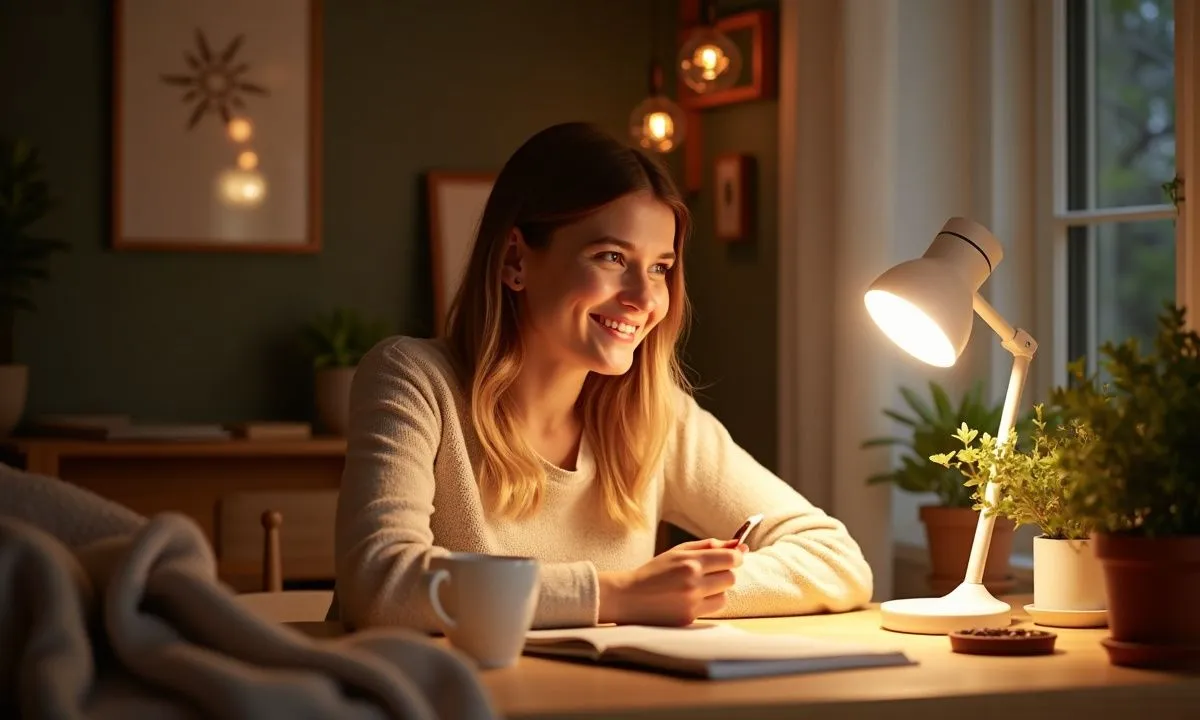
The days are getting shorter, and the air carries a crispness that signals the onset of winter. As the holiday lights begin to twinkle, many find themselves battling the familiar fatigue that accompanies the darker months. This seasonal weariness often leads to a search for effective solutions, and a light therapy lamp glow-up might just be what you need to go from tired to thriving in just weeks.
The Seasonal Shift and Its Effects
As autumn gives way to winter, many people experience a decline in energy and mood. The reduced exposure to natural light can disrupt our circadian rhythms and lead to feelings of lethargy and irritability. For some, this manifests as seasonal affective disorder (SAD), a condition that affects millions each year. The good news is that light therapy has emerged as a popular method for combating these seasonal shifts.
Understanding Light Therapy
Light therapy involves exposure to a specific type of light that mimics natural sunlight. The goal is to compensate for the lack of sunlight during the darker months. Many individuals find that investing in a light therapy lamp helps improve their mood, energy levels, and overall well-being. These lamps emit bright light, typically around 10,000 lux, which can significantly impact how one feels day to day.
Personal Journeys with Light Therapy
Take Sarah, for example, a freelance graphic designer based in Seattle. The dreary winters often left her feeling uninspired and unmotivated. Last year, she decided to give light therapy a try after hearing about it from a friend. She placed her lamp on her desk and made it part of her morning routine.

“I didn’t expect much,” Sarah admits. “But within a week, I noticed I was waking up more easily, and my creative block started to lift.” Her experience demonstrates how integrating a light therapy lamp into daily life can yield noticeable changes, not just in mood but also in productivity.
Practical Tips for Using Light Therapy Lamps
For those considering this approach, it’s essential to know how to use the lamps effectively. Here are some practical tips to maximize your experience:

- Timing is key: Aim for your light therapy session in the morning, ideally within the first hour of waking up. This helps reset your internal clock.
- Duration matters: Start with 20 to 30 minutes a day. As you adjust, you can increase the time based on your comfort and needs.
- Distance from the lamp: Position the lamp about 16 to 24 inches from your face. You don’t need to stare directly at it; indirect exposure works just fine.
- Consistency is crucial: Make it a daily habit, especially during the winter months when sunlight is scarce.
Real-World Applications and Benefits
Many people have found that light therapy not only improves their mood but also enhances their overall quality of life. Consider John, a high school teacher in Boston, who faced the winter blues every year. After incorporating a light therapy lamp into his morning routine, he noticed a significant change in his energy levels throughout the day. “The students even commented on how much more positive I seemed,” he shared. “It felt like I had more patience and was genuinely happier.”
Beyond Mood: Other Benefits
Light therapy doesn’t just address mood fluctuations. Some users report improvements in sleep patterns, decreased anxiety levels, and increased focus. For instance, a remote worker, Lisa, found herself struggling with the isolation of working from home during winter. After using her light therapy lamp, she felt more connected to her work and less distracted, leading to improved performance and satisfaction.
Choosing the Right Lamp
With the market flooded with options, selecting the right light therapy lamp can feel overwhelming. It’s essential to look for lamps that emit at least 10,000 lux of bright, white light. Additionally, ensure the lamp blocks UV rays, as exposure can be harmful. Reading reviews and consulting with healthcare professionals can guide your choice.
Setting the Scene
Creating a conducive environment for your light therapy can amplify the experience. Consider placing the lamp in a well-frequented area of your home, such as your kitchen or home office. Pairing the therapy session with a morning routine—like enjoying a warm cup of tea or reading a book—can make it a more pleasant experience.
Overcoming Challenges
While many people find light therapy beneficial, some may encounter challenges. Initial discomfort, such as headaches or eye strain, can occur. If this happens, adjusting the distance from the lamp or reducing the duration can help. It's also crucial to consult with a healthcare provider if you have any pre-existing conditions or concerns.
Embracing the Glow-Up
As the winter months roll in, embracing the light therapy lamp glow-up may offer a refreshing change to your routine. Many find that a little light can go a long way in lifting spirits and enhancing daily life. It’s not just about combatting seasonal blues; it’s about nurturing a positive mindset that carries through the year.
Final Thoughts
In a world where winter can often feel long and dreary, incorporating a light therapy lamp might be just what you need to brighten your days. Real-life stories abound of individuals who have found renewed energy, creativity, and joy through this simple practice. Whether you’re seeking to improve your mood, increase your focus, or simply feel more awake during the colder months, giving light therapy a try could be a meaningful step toward thriving in the winter landscape.




Comments (0)
No comments yet. Be the first to comment!
Leave a Comment