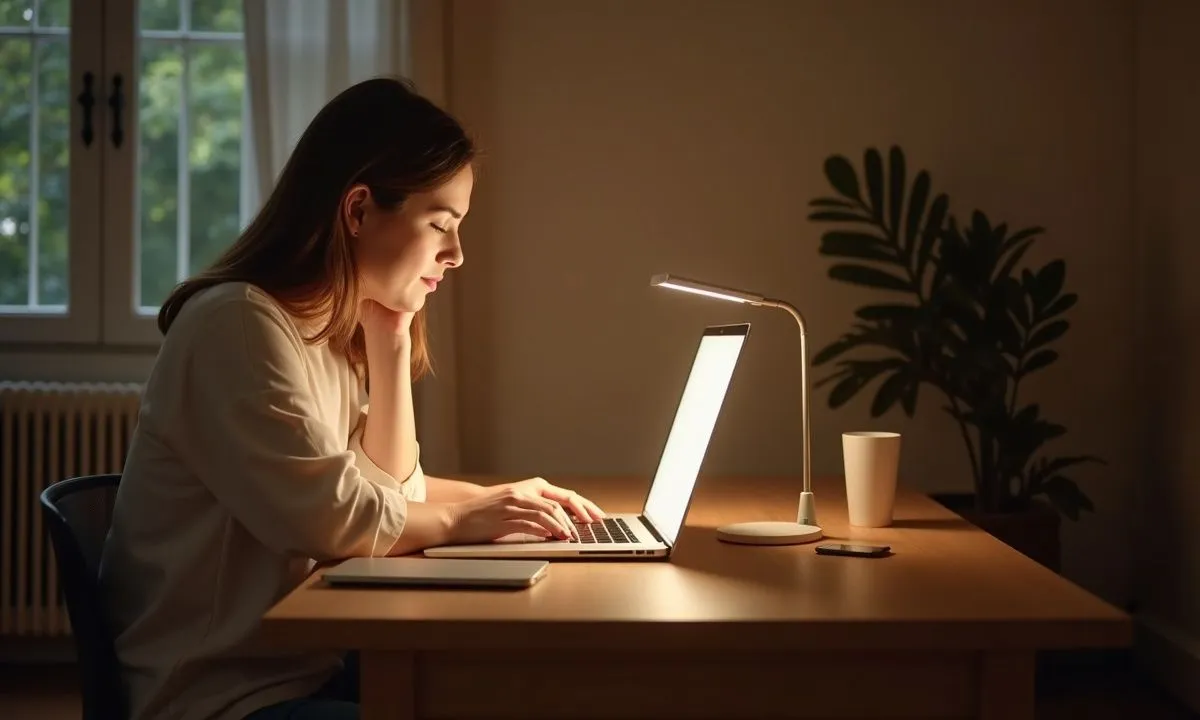
As the days grow shorter and the winter months set in, many people turn to light therapy lamps, hoping to brighten their mood and ward off seasonal affective disorder (SAD). However, despite their popularity, some users find themselves disappointed when the expected benefits don't materialize. Why is that? Often, it comes down to a few common light therapy lamp mistakes that can hinder the desired effects. This article takes a closer look at these pitfalls and offers practical solutions for those eager to harness the benefits of light therapy.
Understanding the Basics of Light Therapy
Before diving into the mistakes, it's essential to understand how light therapy is intended to work. Light therapy lamps are designed to mimic natural sunlight, providing bright light that can help regulate sleep patterns and mood. Typically, these lamps emit light at a specific intensity, measured in lux, which is crucial for their effectiveness. Despite this clarity, many users approach their light therapy sessions without a solid understanding of how to use them properly.
Using the Wrong Light Intensity
One of the first mistakes people make is not using a lamp with adequate intensity. Most recommendations suggest a light intensity of at least 10,000 lux for effective treatment. If your lamp is lower than this, it may not provide the necessary stimulation for your brain to respond positively. Many individuals choose lamps based on appearance rather than function, leading to disappointment when they don’t feel any improvement.

Choosing the Right Lamp
When selecting a light therapy lamp, always check the lux rating. A lamp that looks good on your desk might not be powerful enough for effective therapy. Instead of focusing solely on design, prioritize functionality. Look for lamps that specifically state they are designed for light therapy and meet the recommended lux levels. Reading reviews and researching user experiences can also help you make an informed decision.
Not Adhering to Proper Distance and Angle
Another common mistake is failing to position the lamp correctly. The effectiveness of light therapy is contingent not only on the lamp's brightness but also on how close you sit to it and the angle at which the light strikes your face. Sitting too far away can diminish the lamp's effectiveness, while incorrect angles can lead to uneven exposure.
Finding Your Sweet Spot
For optimal results, place the lamp about 16 to 24 inches away from your face, ensuring that the light is directed toward your eyes but not directly in them. This distance allows for sufficient light exposure without causing discomfort. Many users find it helpful to set the lamp up on a table or desk, ensuring they can go about their daily tasks while still receiving the benefits of the light.

Inconsistent Use
Light therapy is not a one-time fix; consistency is key. Some people mistakenly believe that an occasional session will suffice. Just like any treatment, regular use is necessary to notice significant changes in mood or energy levels. Users often report that they feel better after just a few sessions, leading them to believe they can reduce their frequency. This can backfire, resulting in a lack of noticeable benefits.
Creating a Routine
To maximize the benefits of your light therapy lamp, consider establishing a daily routine. Most experts recommend using the lamp for about 20 to 30 minutes each morning. Integrating this into your morning rituals, such as while drinking coffee or reading the news, can make it easier to stick to a consistent schedule. Over time, this regular exposure can help regulate your circadian rhythms and improve overall mood.
Ignoring Timing and Duration
The timing of your sessions is also crucial. Many users mistakenly turn on their lamps at various times throughout the day, thinking that any exposure will be beneficial. However, the morning is typically the most effective time for light therapy. Using the lamp in the evening can disrupt your sleep cycle, leading to further complications.
Strategizing Your Sessions
For best results, aim to use your light therapy lamp in the early morning, ideally within the first hour of waking. This can help set your body’s internal clock, increasing alertness during the day and promoting better sleep at night. If mornings aren’t feasible, try to use the lamp earlier in the day rather than late afternoon or evening.
Overlooking Eye Protection
Another oversight involves eye safety. While light therapy lamps are generally safe, prolonged exposure without taking precautions can lead to discomfort or strain. Some users fail to consider their eye health and may not wear protective eyewear or adjust the lamp’s distance appropriately, leading to adverse effects.
Prioritizing Eye Health
When using a light therapy lamp, ensure that the light source is not shining directly into your eyes. Consider wearing sunglasses or adjusting the angle of the lamp to minimize glare. If you have any pre-existing eye conditions or concerns, consulting with an eye care professional before starting a light therapy routine is wise. They can provide tailored advice to ensure you use the lamp safely.
Expecting Immediate Results
many users harbor unrealistic expectations regarding the speed of improvement. Light therapy is not an instant solution; it requires time for the body to respond. Individuals often expect immediate changes in mood or energy levels, leading to frustration when results take longer than anticipated.
Practicing Patience
Understanding that light therapy is a gradual process can help align expectations. Many users report noticing improvements within one to two weeks of consistent use. Keeping a journal to track your mood and energy levels can help you see subtle changes over time, reinforcing the importance of sticking with your light therapy routine.
Final Thoughts
Light therapy lamps can be a valuable tool for those seeking to improve their mood and combat seasonal affective disorder, but common mistakes can hinder their effectiveness. By ensuring you choose the right lamp, position it correctly, maintain a consistent routine, and practice patience, you can make the most of your light therapy experience. As the seasons change and daylight hours dwindle, addressing these light therapy lamp mistakes can help you shine a little brighter through the darker months.




Comments (0)
No comments yet. Be the first to comment!
Leave a Comment