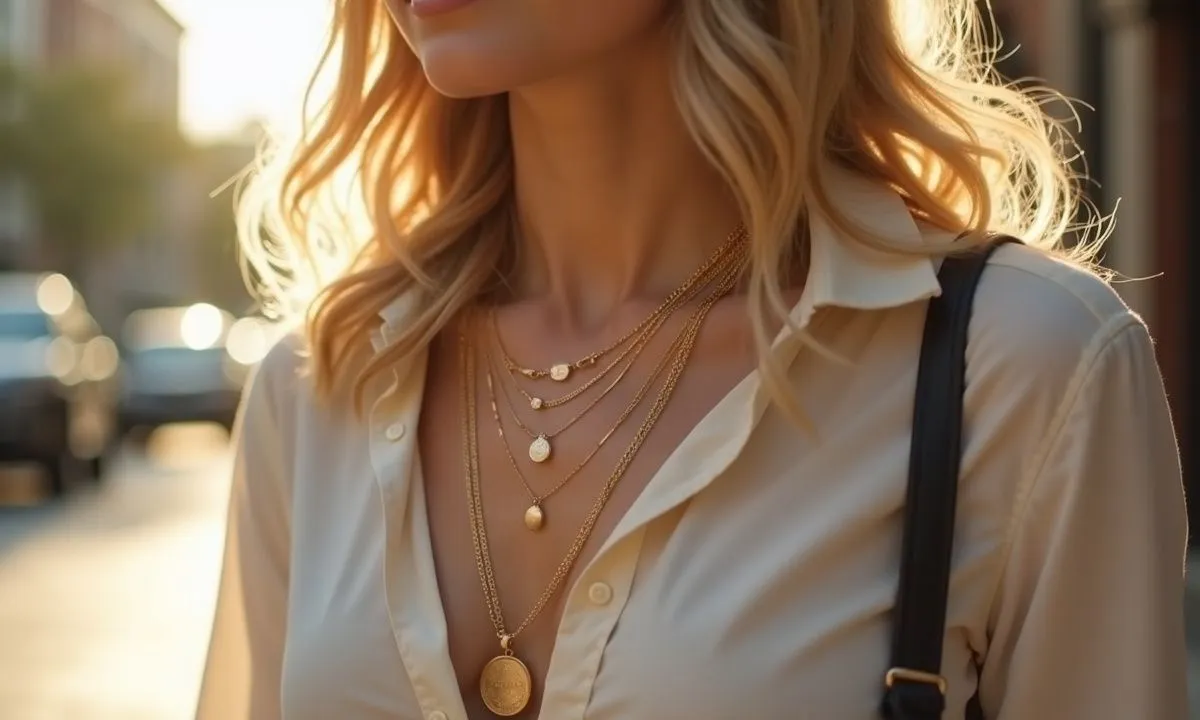
Walking through a bustling city street or browsing a local market, it's hard not to notice the subtle art of layering necklaces. The sight of a well-curated combination of chains can stop you in your tracks, making the wearer look effortlessly chic. In 2026, necklace lengths are becoming more than just an accessory; they are a form of self-expression, showcasing personal style in a way that feels both timeless and fresh. Understanding how to layer necklaces of varying lengths can transform an outfit from ordinary to striking.
Understanding Necklace Lengths
Before diving into the specifics of layering, it's essential to grasp the different necklace lengths available. Each length serves a unique purpose and can dramatically alter the overall look. Here’s a breakdown of standard necklace lengths:
Choker (14-16 inches)
The choker sits snugly around the neck, making it a bold statement piece. Often worn alone for a minimalist look, it also serves as an excellent base for layering. Pairing a choker with longer chains creates a striking contrast that draws attention to the neckline.

Princess (17-19 inches)
This popular length falls just below the collarbone. A princess necklace is versatile and complements various necklines, from high collars to plunging necklines. When layering, a princess length can sit comfortably above longer necklaces, creating visual interest without overwhelming the face.
Matinee (20-24 inches)
The matinee length offers a bit more drama, falling between the collarbone and the bust. This length works beautifully when combined with shorter pieces, as it adds depth and dimension to the layering. It's perfect for both casual and formal occasions.
Opera (28-34 inches)
The opera length allows for creativity, as it can be worn as a single strand or doubled for a layered effect. This length is particularly striking when paired with shorter necklaces, offering a sophisticated look that can be adjusted based on the outfit.

Rope (over 36 inches)
Rope necklaces can be worn long or wrapped around for a layered effect. Their length creates an elegant silhouette and allows for unique arrangements. They can easily be mixed with other lengths for an artistic flair.
Layering Techniques for 2026
With an understanding of necklace lengths, the next step is to look at layering techniques. The key is to find a balance that feels cohesive while allowing each piece to shine.
Mixing Textures and Materials
In 2026, layering necklaces isn’t just about length; texture plays a significant role as well. Combining different materials such as gold, silver, and even leather can add depth to your look. A sleek gold choker paired with a beaded matinee necklace creates a rich visual contrast that feels modern yet classic.
Color Coordination
Color is another essential factor in layering. Sticking to a color palette can unify the pieces, making them feel intentional. For instance, combining cool-toned silver chains with a pop of color from a gemstone pendant can create a striking visual impact without clashing.
Varying Chain Styles
Another way to achieve a layered look is by mixing chain styles. A chunky chain can stand out against delicate ones, adding interest to the overall appearance. Think about pairing a thick rope chain with a fine, dainty chain that has a small charm attached. This combination allows for a mix of boldness and subtlety.
Practical Layering Examples
To illustrate how to effectively layer necklaces, let’s consider a few real-world scenarios. Imagine getting dressed for a casual brunch with friends. You might opt for a simple white tee and high-waisted jeans. To add flair, start with a choker featuring a small pendant. Next, layer a princess-length chain with a colorful gemstone. Finish with an opera-length chain that has a minimalist design. This combination feels effortlessly put together and adds personality to a simple outfit.
For a night out, consider a sleek, off-the-shoulder dress. Begin with a bold choker to frame the neckline, then add a long, layered chain that falls down the décolletage, perhaps with a delicate pendant that catches the light. The contrast of lengths draws attention and creates an elongated silhouette.
Common Mistakes to Avoid
Layering necklaces can be an art form, and like any art, it requires practice. Here are some common pitfalls to watch out for:
Overcrowding
While layering is about abundance, too many pieces can lead to chaos. Stick to three to five necklaces for a balanced look. This allows each piece to be appreciated without overwhelming the observer.
Ignoring Personal Style
Layering should reflect your personality. If you tend to prefer a minimalist aesthetic, don’t force yourself into a layered look that feels out of character. Choose pieces that resonate with you, whether bold or subtle.
Neglecting Comfort
Layering shouldn’t just be visually appealing; it should also be comfortable. Ensure that the chains don’t tangle or irritate your skin, as this can detract from your overall experience.
Final Thoughts on Necklace Lengths Layering
As we move through 2026, the art of layering necklaces continues to evolve, yet the foundational principles remain. Understanding necklace lengths and how they work together can dramatically influence your style. The joy of layering lies in its versatility and personal expression. Whether you're dressing for a casual day out or a formal evening, the right combinations can create a look that feels both authentic and stylish. So, as you curate your collection, remember that the best layered necklaces are those that tell your story, reflecting who you are at your core.




Comments (0)
No comments yet. Be the first to comment!
Leave a Comment