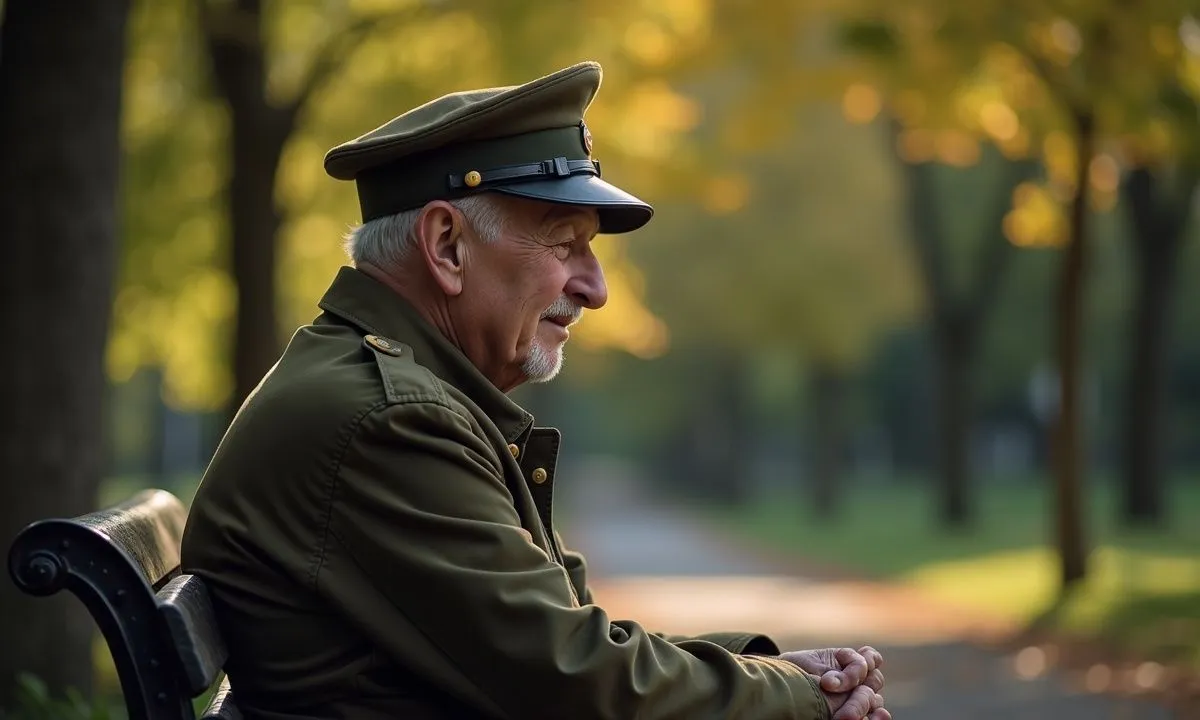
The narrative of World War II often centers on the major players like the United States, the United Kingdom, and Germany. History classes frequently paint a picture of the U.S. as a key player who jumped into the fray decisively after Pearl Harbor. However, one of the more surprising World War II facts is that Canada was already engaged in the conflict before the United States formally entered. This intriguing detail opens up a broader discussion about the roles of various nations in the war and how their contributions shaped the global landscape.
The Early Involvement of Canada
When the war commenced in 1939, Canada declared war on Germany on September 10, just days after Britain did. This decision was significant, as Canada was still a part of the British Commonwealth and had the autonomy to make its own foreign policy decisions. Unlike the United States, which remained neutral for almost two years, Canada quickly mobilized its military and resources to support the Allies. This early commitment laid the groundwork for future operations and highlighted Canada's growing identity as a nation separate from British influence.
The Canadian Military Effort
By the end of the war, more than a million Canadians had served in various capacities. Canadian troops played pivotal roles in critical battles, such as the Battle of Vimy Ridge in 1917 during World War I, which was a precursor to their significant involvement in World War II. In 1944, the Canadian Army participated in the D-Day landings at Juno Beach, where they faced fierce resistance but ultimately secured a foothold in Europe. Their bravery and skill contributed to the eventual liberation of France, marking a significant chapter in military history.

Surprising Contributions Beyond Combat
Canada's contributions during the war were not limited to combat. The nation also played a vital role in the production of war materials. Canadian factories produced everything from aircraft to munitions, bolstering the Allied war effort. One of the more surprising World War II facts is that Canada was the world’s fourth-largest producer of military equipment at the time. This industrial capacity was crucial, as it allowed the Allies to maintain their supply lines and sustain their military campaigns.
The Home Front: Mobilizing the Nation
On the home front, Canadians rallied behind the war effort with remarkable enthusiasm. Rationing, war bonds, and volunteerism became part of daily life. Women stepped into roles traditionally held by men, taking jobs in factories and serving in auxiliary military units. The war marked a significant shift in gender roles, which would have lasting implications for Canadian society. The contributions of women during this period laid the groundwork for future advancements in gender equality.
The U.S. Entry into the War
While Canada was already engaged in military actions, the United States maintained a policy of neutrality until the Japanese attack on Pearl Harbor on December 7, 1941. This event prompted a dramatic shift in American public opinion and led to a formal declaration of war against Japan, followed by declarations against Germany and Italy. Interestingly, Canada had already been in the fight for over two years by this point, showcasing the disparity in wartime engagement between the two North American neighbors.

Canada’s Strategic Position
Geographically, Canada’s location served as a critical asset during World War II. Its vast landmass and proximity to the United States allowed for the establishment of training camps and military bases. The British Commonwealth Air Training Plan, for instance, was a collaborative effort that trained thousands of pilots in Canada, providing vital support to the Allied air forces. This initiative not only saved lives but also highlighted Canada’s strategic importance in the fight against Axis powers.
Myths and Misunderstandings
Many myths surround the historical narrative of World War II, particularly regarding the contributions of various countries. One common misconception is that the United States single-handedly turned the tide of the war. While American industrial might was undeniably significant, the collective efforts of countries like Canada, the UK, and others were equally vital. Recognizing this shared history is crucial for appreciating the complexity of global alliances and the multifaceted nature of wartime contributions.
Canada’s Post-War Legacy
The impact of Canada’s involvement in World War II extended beyond the battlefield. The war catalyzed Canada’s emergence as a middle power on the global stage. The post-war period saw Canada take part in establishing the United Nations and other international organizations, reflecting its commitment to global peace and cooperation. This evolution in Canada’s role illustrates how the experiences of war can reshape national identities and international relations.
Reflecting on the Past
Understanding the nuances of Canada’s early involvement in World War II invites a broader reflection on the nature of global conflict. The war was not just a series of battles fought between major powers; it involved numerous nations with their own struggles and contributions. As we revisit these historical narratives, it becomes evident that every nation's participation, including Canada’s, played a crucial role in shaping the outcome of the war and the world that followed.
Lessons for Today
In today’s world, where geopolitical tensions still exist, the lessons from World War II remain relevant. The importance of alliances, the interconnectedness of nations, and the value of collective action are themes that resonate through history. Canada’s early entry into the war serves as a reminder that timely action and cooperation can lead to significant impacts, not just in times of conflict but also in efforts toward peace and stability.
As we reflect on these surprising World War II facts, it becomes clear that history is often richer and more complex than the stories we commonly hear. Each nation’s narrative adds depth to our understanding of past events and encourages us to appreciate the collective efforts that shape our world today.




Comments (0)
No comments yet. Be the first to comment!
Leave a Comment